
Trip Planning
Trekking Permits in Nepal: TIMS, ACAP and Restricted Area Permits Explained
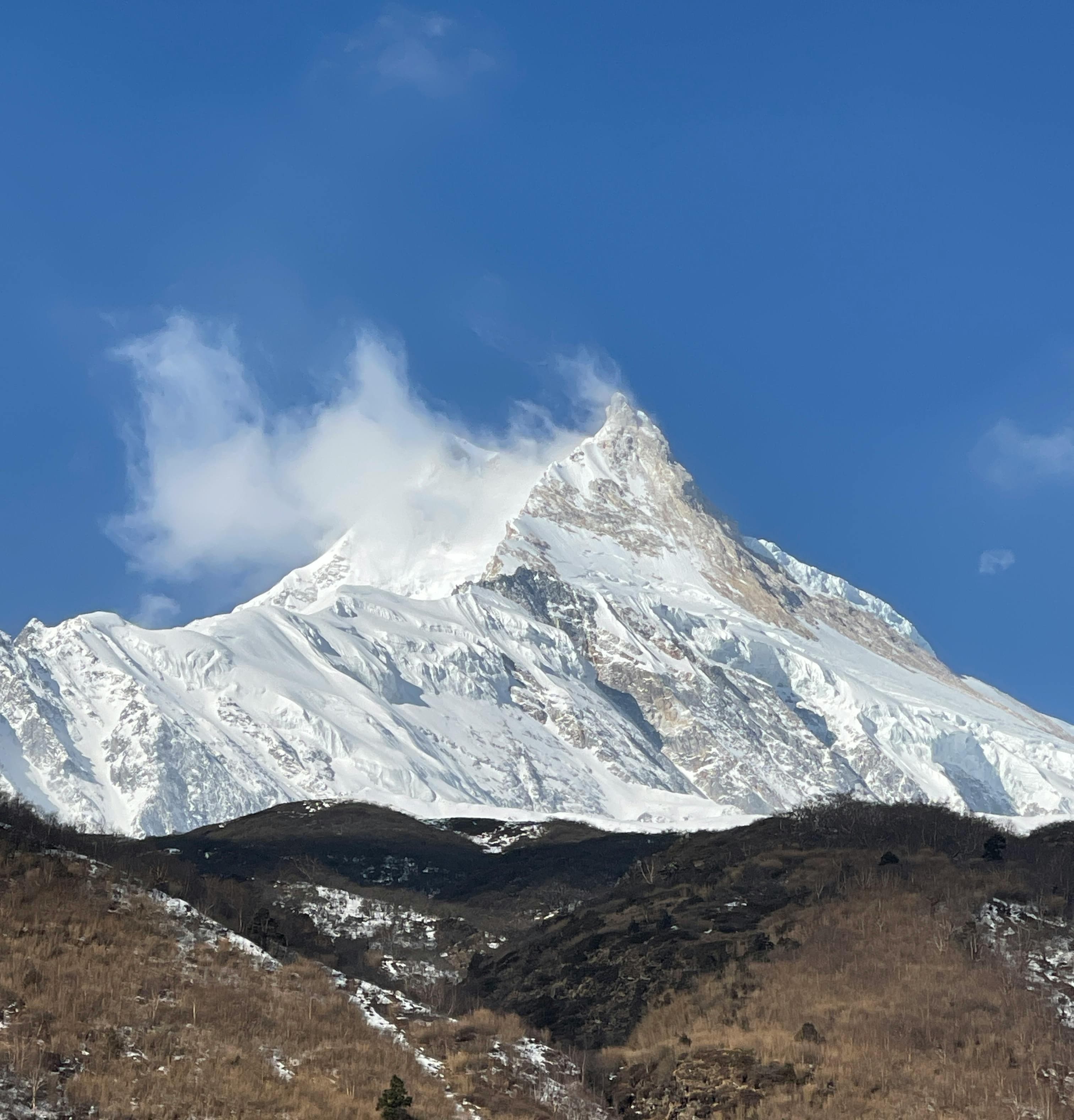
Nepal requires trekking permits for almost every route, and the type you need depends entirely on the region. Here is a plain-language breakdown of what each permit is for.
TIMS Card (Trekkers' Information Management System)
A general registration card required on most open trekking routes, used for trekker safety records. Issued through a registered agency like TrekVibe Nepal — we handle this for every guest automatically.
National Park and Conservation Area Permits
Routes passing through a protected area require an entry permit, with fees supporting conservation work. The Annapurna Conservation Area Permit (ACAP) covers Annapurna Base Camp, Poon Hill, Annapurna Circuit and Mardi Himal; the Sagarmatha National Park permit plus the Khumbu Pasang Lhamu Rural Municipality permit cover the Everest region; and the Langtang National Park permit covers Langtang and Gosaikunda.
Restricted Area Permits
Some regions near the Tibet border or in remote, culturally sensitive areas — Manaslu, Upper Mustang and Dolpo among them — are classified as restricted areas. These require a special permit issued only through a registered trekking agency, a licensed guide at all times, and a minimum group size of two trekkers. Restricted area permits are priced per day and are considerably more expensive than open-route permits, which is reflected in the higher package cost of those treks.
- Everest region: Sagarmatha National Park permit + Khumbu Rural Municipality permit
- Annapurna region: ACAP (covers ABC, Poon Hill, Circuit, Mardi Himal)
- Langtang region: Langtang National Park permit
- Manaslu: Restricted Area Permit + MCAP + ACAP
- Upper Mustang: Restricted Area Permit + ACAP
- Dolpo (Upper & Lower): Restricted Area Permit + Shey Phoksundo National Park permit
Every TrekVibe Nepal package includes the correct permits for your route as standard — you will never need to queue at a permit office yourself.
Ready to start planning your Nepal trek?
Tell us your dates and fitness level — our Kathmandu team will reply within 24 hours.
Start Your Trip Planner